
How to Stop Hair Breakage: Causes & Prevention Tips

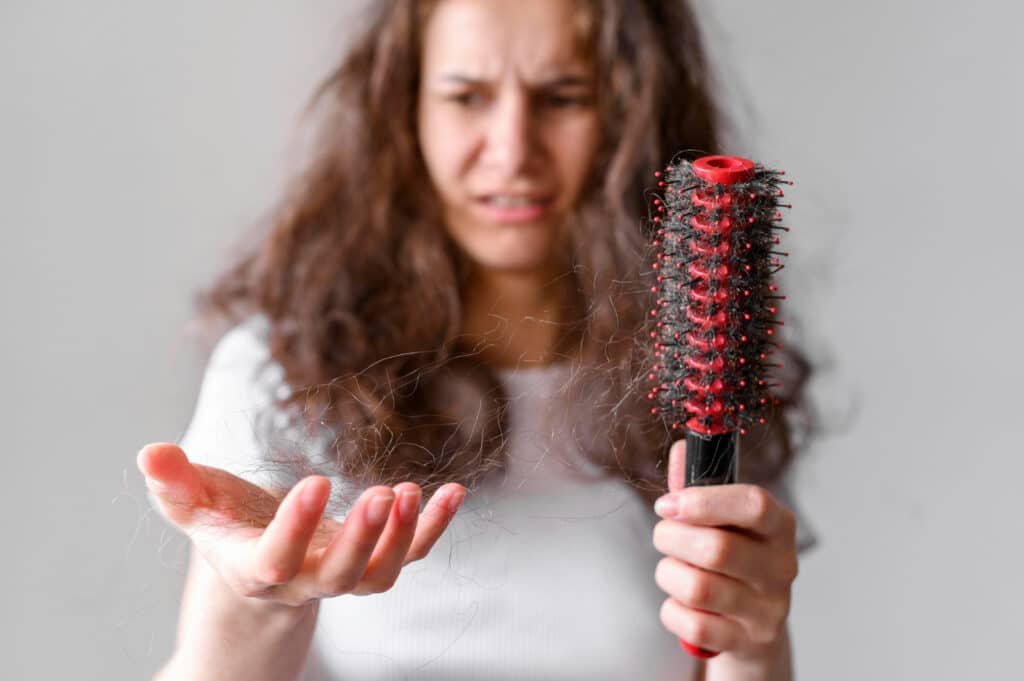
Finding short, stray hairs on your clothes or sink can be alarming. While shedding some hair is normal, discovering small, broken pieces is a clear sign of hair breakage. This happens when the outer layer of your hair shaft cracks, causing the strand to snap. Unlike natural shedding from the root, breakage can happen anywhere along the hair, leaving it looking frizzy, thin, and unhealthy.
The good news is that hair breakage is often preventable. The main culprits are usually things we can control, such as excessive heat styling, chemical treatments, and even how we brush our hair.
By understanding what causes this damage, you can take simple steps to protect your strands and keep them strong and healthy. This guide will explain why hair breaks and provide practical tips to restore its strength and shine.
Understanding Your Hair’s Structure
To effectively prevent breakage, it helps to understand what your hair is made of. Each hair strand has three main layers:
- The Cuticle: This is the outermost layer, composed of overlapping scales, much like shingles on a roof. A healthy, closed cuticle protects the inner layers and gives hair its shine. When the cuticle is damaged, it lifts and cracks, making hair prone to breaking.
- The Cortex: Located beneath the cuticle, the cortex is the thickest layer. It’s made of keratin protein fibers and contains the pigment that gives your hair its color. The cortex is responsible for your hair’s strength, elasticity, and texture. Damage to this layer weakens the entire strand.
- The Medulla: This is the innermost layer, a soft, spongy core. Not everyone has a medulla, and its exact function is still not fully understood, but it’s more common in thicker hair types.
When we talk about hair damage and breakage, we are mostly concerned with the cuticle and the cortex. Protecting these two layers is the key to maintaining strong, resilient hair.
Top Causes of Hair Breakage

Daily habits and styling choices are often the biggest contributors to hair damage. Identifying these can be the first step toward healthier hair.
Heat Styling
High temperatures from flat irons, curling wands, and even blow dryers can strip moisture from your hair. This process boils the water inside the hair shaft, creating tiny bubbles that weaken the protein structure. Over time, this makes the hair brittle and fragile, leading to split ends and breakage. Using these tools too often or at temperatures that are too high is a fast track to damaged hair.
Chemical Treatments
Coloring, bleaching, perms, and relaxers all use strong chemicals to alter your hair’s structure. These treatments work by lifting the cuticle to penetrate the cortex. While effective for changing your look, this process permanently weakens the hair shaft. The more frequently you undergo these treatments, the more porous and susceptible to breakage your hair becomes.
Over-Washing
Washing your hair too frequently can strip it of its natural oils, known as sebum. Sebum is essential for keeping your hair moisturized and protected. Without it, your hair becomes dry and brittle. This is especially true if you use harsh shampoos containing sulfates, which can be overly stripping for many hair types.
Rough Handling
Your hair is most fragile when it’s wet. Aggressively towel-drying, brushing, or detangling wet hair can stretch it beyond its breaking point. Similarly, using tight hair ties, creating hairstyles that pull on the roots, or even sleeping on rough cotton pillowcases can cause friction and lead to physical damage over time.
Poor Diet and Dehydration
What you put into your body directly impacts your hair’s health. A diet lacking in essential nutrients like protein, iron, zinc, and biotin can lead to weaker hair growth. Protein, in particular, is the building block of hair. Without enough of it, your body can’t produce strong, healthy strands. Likewise, dehydration affects your entire body, including your hair, making it appear dull and feel brittle.
How to Prevent Hair Breakage
Now that you know the common causes, here are effective strategies to protect your hair and minimize breakage.
Adopt Gentle Hair Care Techniques
Small changes in your routine can make a big difference.
- Wash Less Frequently: Try to extend the time between washes. If you have oily hair, consider using a dry shampoo on non-wash days. When you do wash, use lukewarm water instead of hot water, which can strip natural oils.
- Detangle with Care: Use a wide-tooth comb or your fingers to gently detangle your hair, starting from the ends and working your way up to the roots. It’s best to do this when your hair has conditioner in it to provide slip and reduce friction.
- Be Kind to Wet Hair: After washing, gently squeeze excess water from your hair with a soft microfiber towel or an old t-shirt instead of rubbing it vigorously. Avoid brushing your hair when it’s soaking wet.
Prioritize Hydration and Moisture
Keeping your hair hydrated is crucial for its elasticity.
- Use Deep Conditioners: Incorporate a deep conditioning treatment or hair mask into your routine once a week. Look for ingredients like shea butter, argan oil, or glycerin, which help attract and seal in moisture.
- Try Leave-In Conditioners: A leave-in conditioner can provide an extra layer of protection and hydration throughout the day, helping to reduce friction and prevent tangles.
- Limit Heat Styling: Whenever possible, let your hair air-dry. If you must use heat, always apply a heat protectant spray first and use the lowest effective temperature setting on your tools.
Fuel Your Hair from Within
A balanced diet is fundamental for strong hair.
- Eat Protein-Rich Foods: Include sources like lean meat, fish, eggs, beans, and nuts in your diet.
- Boost Your Nutrient Intake: Foods rich in iron (spinach, lentils), zinc (oysters, pumpkin seeds), and biotin (avocados, sweet potatoes) support healthy hair growth.
- Stay Hydrated: Drink plenty of water throughout the day to keep your hair and skin hydrated from the inside out.
Use Protective Hairstyles
Give your hair a break from daily styling and environmental stress.
- Loose Styles: Opt for loose braids, buns, or ponytails that don’t pull tightly on your scalp or strands.
- Protective Materials: Use soft hair ties like scrunchies or spiral hair ties that won’t snag or create tension.
- Sleep Smart: Switch to a silk or satin pillowcase. The smooth surface reduces friction while you sleep, preventing tangles and breakage.
Choose the Right Products
The products you use should support your hair’s health, not detract from it.
- Sulfate-Free Shampoos: If you have dry or color-treated hair, consider using a gentle, sulfate-free shampoo to avoid stripping natural oils.
- Targeted Treatments: Look for products with strengthening ingredients like keratin, silk proteins, or amino acids to help repair and fortify the hair cuticle.
- Avoid Drying Ingredients: Be cautious of products containing high concentrations of alcohol, which can be very drying for your hair.
Invest in Your Hair’s Health
Preventing hair breakage isn’t about finding a single miracle product. It’s about adopting a holistic approach that combines a gentle care routine, a nutritious diet, and mindful styling habits. By understanding the structure of your hair and what causes it to weaken, you can make informed choices to protect it from damage.
Start by incorporating a few of these tips into your routine. Over time, these small changes will add up, resulting in stronger, shinier, and healthier hair that can withstand daily wear and tear.