Stop Hair Fall Naturally: Proven Tips That Actually Work

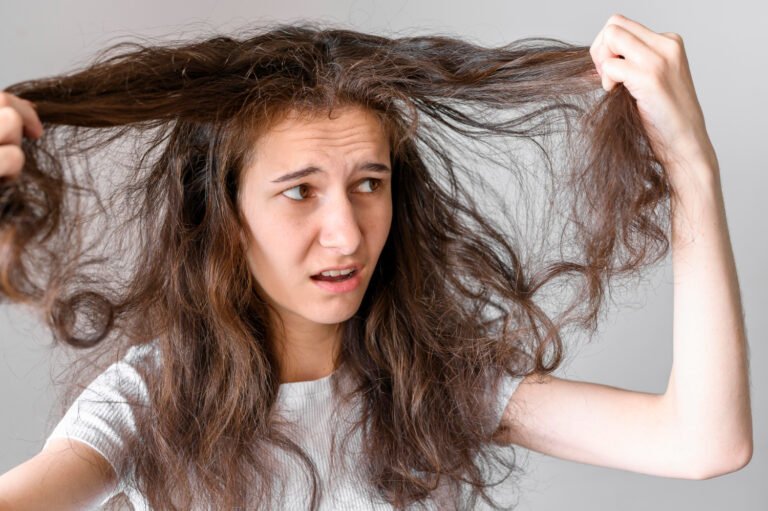
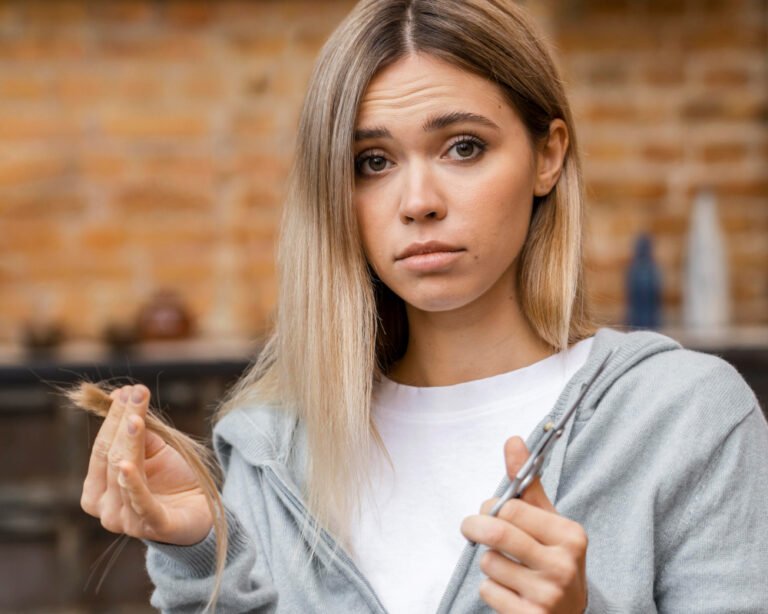
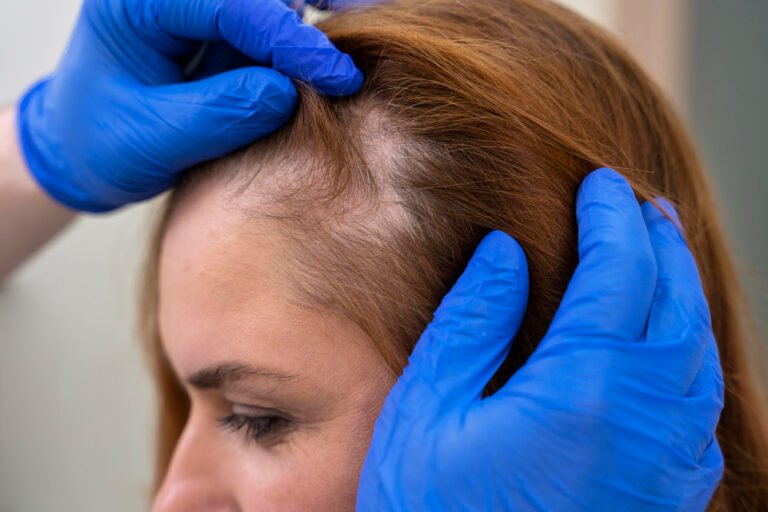
The problem of hair fall is a concern for millions of people around the world and, according to studies, one loses anywhere between 50-100 strands of hair everyday. Some shedding of hair is very natural, too much hair fall can be worrying and it impacts your confidence. The good news? Most of the hair fall cases happen due to some factors which you can control- imbalanced diet, harsh hair care system, stress and lifestyle.
Instead of slathering on expensive treatments and harsh chemicals, natural remedies can be just as effective at remedying common concerns whilst encouraging the health of your hair on a whole. They tackle the underlining issues of hair loss, whether due to a lack of nutrients or scalp inflammation.
This guide goes through well-tested natural ways to reduce hair fall and strengthen your locks from inside. You will find dietary modifications, proven home remedies, mild hair care practices and lifestyle changes that will help in the growth of healthy hair.
Key Takeaways:
- Fundamental is nutrition: for both health and strength, make sure you’re getting enough of the proteins, irons or vitamins that whole foods provide
- Natural solutions are not fast results: It usually takes 6-12 weeks to see improvement with most natural remedies
- Delicate care prevents damage: We do not recommend rotating addresses, apply hard chemicals, use of heat and rough handling.
- Tend to your host: Stress, sleep and hydration guidelines
- It’s consistency that counts: The occasional push isn’t going to have a lasting impact
Make Hair Beautiful From The Inside Out: Diet And Nutrition

Your follicles need certain nutrients to make your hair strong and beautiful. Hair loss and a weakened hair shaft are other common signs that your body may be lacking in some essential vitamins or minerals.
Essential Nutrients for Hair Health
Hair is made up of protein. Add lean meats, eggs, fish, legumes and nuts to your meal several times a day. Do your best to get at least 50-60 grams of protein daily for healthy keratin production, which is the actual protein that makes up your hair shaft.
Iron deficiency is one of the most common culprits of hair loss, especially in women. Increase your iron intake with spinach, red meat, lentils and fortified cereal. Combine iron-rich foods with sources of vitamin C — such as citrus fruits or bell peppers — to improve its absorption.
Biotin and B vitamins help to promote the cellular metabolism of hair follicles. You can get all of these nutrients from whole grains, eggs, avocados and salmon. Biotin supplements have become popular, but most people get enough of the vitamin from diet unless they are deficient.
Zinc and selenium contribute to the regulation of hormone levels that influence hair growth. Pumpkin seeds, brazil nuts and oysters are great sources of these rock stars.
Hydration Matters
Your ability for your scalp to produce good hair is ruined as a result of dehydration. It’s also a good idea to make sure you drink 8-10 glasses of water each day, and incorporate hydrating foods such as cucumber, watermelon or coconut water into your diet.
Time-Tested Natural Remedies
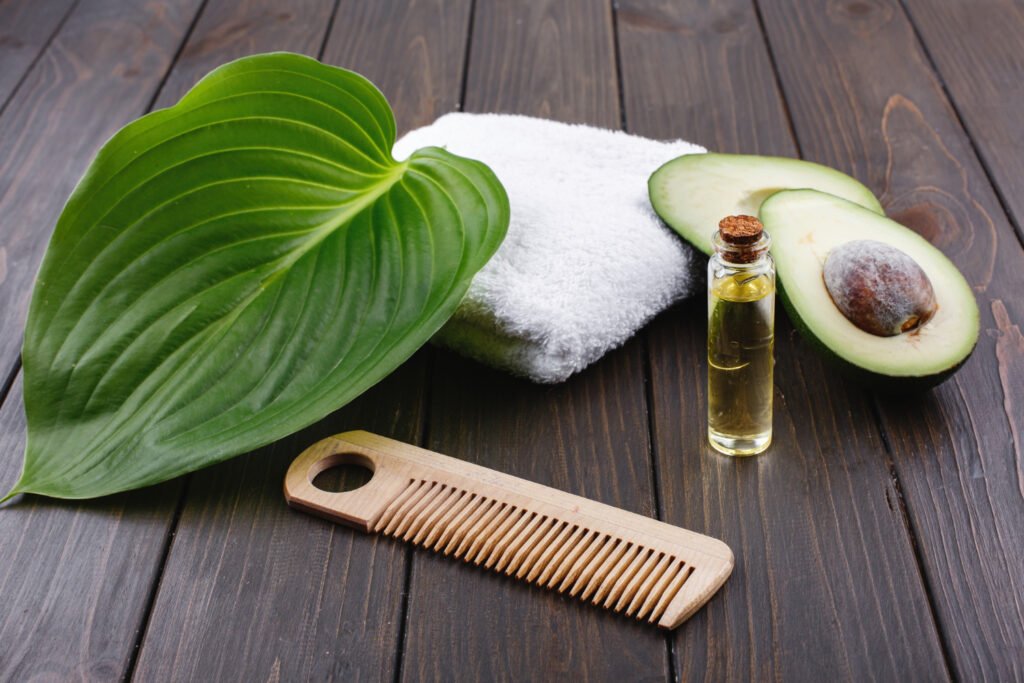
There are many natural ingredients which showed very good results in preventing hair fall and promoting growth. These treatments enhance scalp circulation, reduce inflammation and feed the hair follicles.
Aloe Vera for Scalp Health
Aloe vera has anti-inflammatory properties that calms and moisturises irritated scalps, with proteolytic enzymes helping to heal dead skin cells around the hair follicles. Take fresh gel out from a fleshy aloe leaf and rub that into your scalp. Let it sit for 45 minutes and wash off with a mild shampoo. Repeat this remedy 2-3 times per week.
Onion Juice: Nature’s Hair Growth Stimulator
Onion juice has sulfur compounds that stimulate collagen production and increase blood flow toward hair follicles. Grind one medium onion, strain the juice and apply it to your scalp with a cotton ball. It stinks, but many users see results after 6-8 weeks of regular use.
Amla: The Vitamin C Powerhouse
Indian gooseberry (amla) (20 times more vitamin C than oranges) This free radical scavenger fights oxidative stress on hair follicles. You can mix some amla powder with water, apply it on your scalp and then wash off after 30 minutes. You can also drink fresh amla juice for internal health.
Green Tea Rinse
The antioxidants and caffeine in green tea help stimulate the hair follicles while decreasing DHT (dihydrotestosterone), a hormone associated with hair loss. Brew some strong green tea, allow it to cool, and use as a last rinse after shampooing.
Gentle Hair Care Practices That Prevent Damage
Hair fall is largely related to your life style and the way you look after your hair on regular basis. “Many styling habits can destroy strands and harm follicles,” he says.
Choose the Right Shampoo
Sulfate-free shampoos work without stripping your scalp and hair of those natural oils that help protect them. Opt for ingredients such as coconut-derived surfactants or gentle cleansers. Shampoo hair every 2-3 days unless your hair is extremely oily.
Learn the Art of Drying Gently
Wet hair is more elastic and will snap when tugged. Don’t rub hair, pat dry with a microfiber towel. For those of us who use a blow dryer, keep at least about six inches away and give a cool final blast to help your hair cuticles close.
Brush Wisely
Try a wide-tooth comb on damp hair, working from the ends up. A boar bristle brush helps to spread natural oils and control static in dry hair. Don’t over brush — 100 strokes per day is a myth and can actually cause more breakage.
Minimize Heat and Chemical Processing
Hair bonds are weakened by high heat and harsh chemicals. Use heat only on special occasions, and when you do use a thermal protectant, choosing the lowest setting to style. Do not apply chemical treatments such as colour, perm or straightening at least for 6-8 weeks.
Lifestyle Adjustments for Stronger Hair

General health is going to directly impact hair growth cycles. Ongoing stress, inadequate sleep and sedentary lifestyle can sped up the hair fall process.
Stress Management Strategies
Too much cortisol from repeated chronic stress may transition the growth cycle of hair to a resting phase prematurely. Effective stress management techniques include:
- Meditate: you can reduce cortisol with just 10 minutes a day
- Regular physical activity: Increases circulation and reduces muscle tension
- Deep breathing techniques: trigger your body’s relaxation response
- Yoga: It couples physical activity with mindfulness
Prioritize Quality Sleep
The hair folliclets are in repair or regenerating stage while you asleep. Sleep deprivation reduces growth hormone and elevates stress hormones. Strive for 7-9 hours of quality sleep by keeping a stable bedtime routine, not looking at screens before turning in, and ensuring a cool dark bedroom.
Scalp Massage for Circulation
Every day, take 5 to 10 minutes to massage your scalp with your fingers. This boosts blood flow to hair follicles and may alleviate stress. Massage with circular motions and moderate pressure (overzealous massage can lead to breakage).
FAQs
How long does it take to work for natural hair fall treatment?
Most of the natural cures are to be used on a regular basis for weeks or months (6-8 weeks) before you see your acne clearing up. Since hair grows at about a half inch per month, patience is key. A few people observe that shedding diminishes within three to four weeks, whereas new growth becomes visible after 2-3 months.
Are there any home remedies to stop hair fall just like that completely?
There are home remedies that offer an effective solution to minimize hair fall, naturally!These natural cures can help prevent your hair fall due to nutritional deficiencies, stress and bad hair care. But some people need a little extra help to get the flowing locks they want. The best way to reverse thinning hair is through natural techniques and incorporating them in a regimen for your hair.
Are there any side effects of home remedies for hair fall?
Home remedies typically have fewer side effects than store-bought treatments, though some people may have allergic reactions. Patch test any new ingredients on the underside of your arm before going all in. If you are sensitive, onion juice can inflame your scalp, and essential oils should be diluted to avoid burns.
How many times should natural hair masks or treatment be applied?
Generally, I would recommend 2-3 times a week and most natural hair treatments will be the same. You don’t need to use it every day, and doing so could give your scalp too much of a good thing. If you are wearing an oil treatment, once or twice a week will do. If you have any irritation or your scalp and hair gets a little oily, space out applications.
Your Journey to Healthier Hair Begin Today
Hair falling naturally can only be treated holistically – with a focus on diet, hair care and other lifestyle habits. It’s not an overnight fix, but successful solutions never are,nor will they ever be anyway right?.
First, assess your present diet and the way you wash and style your hair. Find where it lacks and make changes step by step. Don’t forget, in the marathon that is healthy hair growth, your small daily efforts are cumulative and lead to big results over time.
Try jotting down some notes about which types of care seem to help. All hair reacts differently to treatments so listen to your hair and this will have you with some of the healthiest happiest post rut out there.