How to Get Rid of Dandruff: 8 Proven Methods That Work

Those white flakes on your shoulders aren’t just a cosmetic concern—they’re a sign that your scalp needs attention. Dandruff affects nearly half of all adults worldwide, causing itchy, flaky skin that can seriously impact your confidence and comfort.
Dandruff occurs when your scalp sheds dead skin cells too quickly, creating visible flakes that appear in your hair and on your clothing. While it’s not harmful to your health, the constant itching and embarrassing flakes can affect how you feel about yourself in social and professional situations.
The good news? Dandruff is completely manageable. Whether you’re dealing with occasional flakes or persistent scalp irritation, this guide will walk you through proven methods to eliminate dandruff and keep your scalp healthy.
What Causes Dandruff?
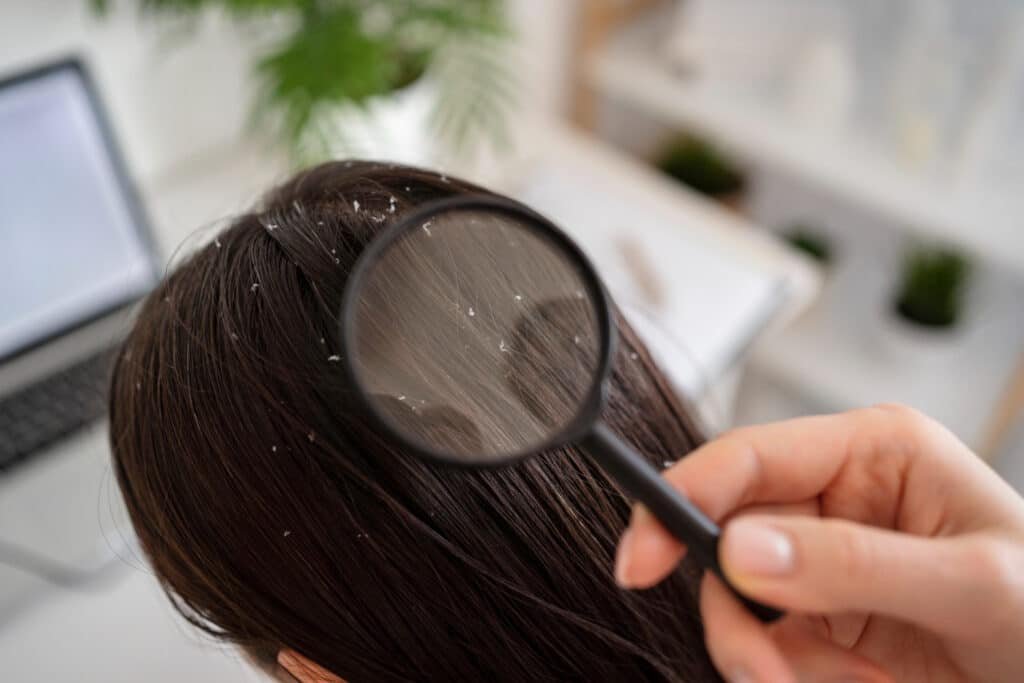
Understanding the root cause of your dandruff helps you choose the most effective treatment. Several factors can trigger this frustrating condition:
Malassezia Globosa: This naturally occurring fungus lives on everyone’s scalp, but some people are more sensitive to it. When this fungus feeds on the natural oils in your hair, it produces oleic acid, which can irritate sensitive scalps and accelerate skin cell turnover.
Dry Skin: Cold weather, low humidity, and overwashing can strip your scalp of natural oils, leading to dry, flaky skin that resembles dandruff.
Seborrheic Dermatitis: This inflammatory skin condition causes red, greasy patches covered with white or yellowish scales. It commonly affects areas rich in oil glands, including your scalp.
Product Buildup: Heavy styling products, infrequent washing, or sensitivity to hair care ingredients can cause scalp irritation and flaking.
Diet and Stress: Poor nutrition and high stress levels can weaken your immune system and trigger scalp problems, though these factors typically worsen existing conditions rather than cause dandruff directly.
Effective Home Remedies
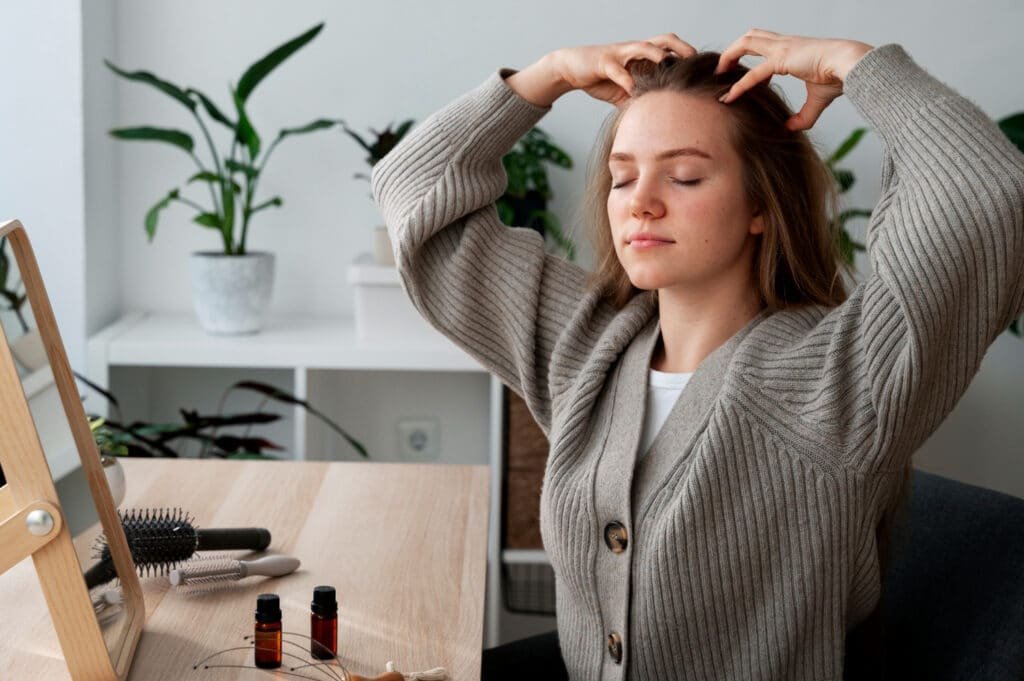
Natural treatments can provide gentle yet effective relief for mild to moderate dandruff. These remedies work best when used consistently over several weeks.
Tea Tree Oil
This powerful antifungal and antibacterial oil can reduce the Malassezia fungus that contributes to dandruff. Add 5-10 drops of tea tree oil to your regular shampoo, or look for shampoos containing 5% tea tree oil. Always dilute pure tea tree oil before applying it directly to your scalp.
Coconut Oil
Rich in antifungal compounds, coconut oil moisturizes your scalp while fighting the underlying causes of dandruff. Massage 3-4 tablespoons of warm coconut oil into your scalp, leave it for an hour, then wash thoroughly with shampoo.
Apple Cider Vinegar
The acidic properties of apple cider vinegar can help restore your scalp’s natural pH balance and reduce fungal growth. Mix equal parts water and apple cider vinegar, apply to your scalp after shampooing, let sit for 15 minutes, then rinse thoroughly.
Aloe Vera
This soothing plant contains anti-inflammatory compounds that can calm irritated skin and reduce itching. Apply fresh aloe vera gel directly to your scalp, leave for 20 minutes, then wash with a gentle shampoo.
Over-the-Counter Treatments
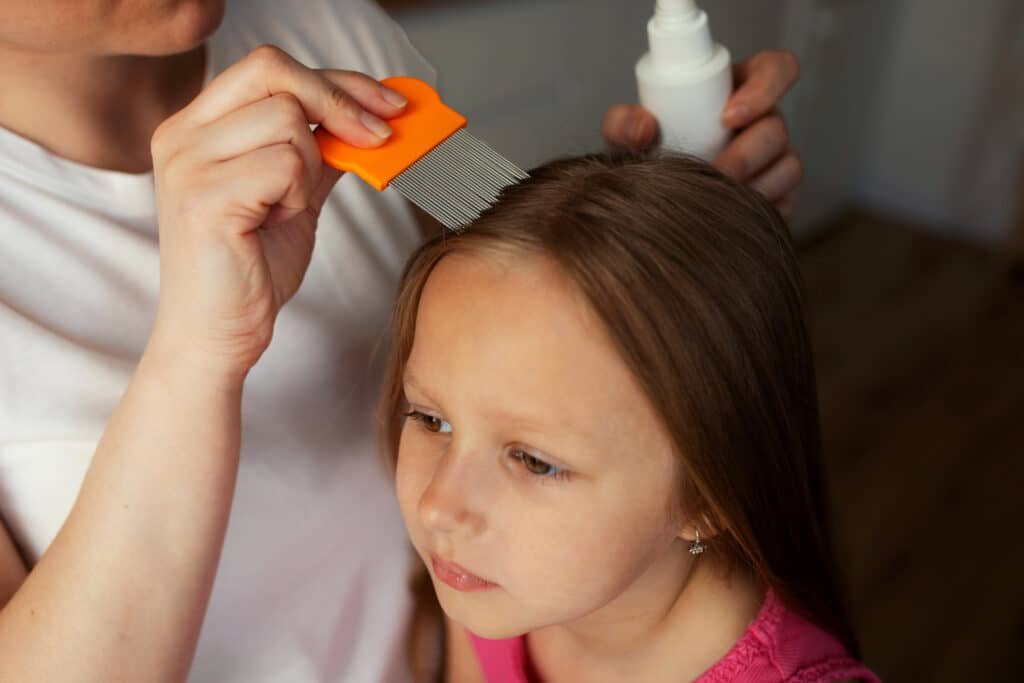
For persistent dandruff, medicated shampoos offer targeted relief. Look for these proven active ingredients:
Ketoconazole (1%): This antifungal ingredient effectively reduces the Malassezia fungus. Use 2-3 times per week initially, then once weekly for maintenance.
Zinc Pyrithione: Found in many popular anti-dandruff shampoos, this ingredient has both antifungal and antibacterial properties. It’s gentle enough for daily use.
Selenium Sulfide: This powerful antifungal agent slows down skin cell production and reduces flaking. Use twice weekly, but avoid overuse as it can cause scalp irritation.
Coal Tar: This ingredient slows skin cell turnover and has anti-inflammatory properties. Start with lower concentrations (0.5-1%) to test your skin’s tolerance.
Salicylic Acid: This exfoliating agent removes flakes and scales, making it easier for other active ingredients to penetrate your scalp.
When using medicated shampoos, massage the product into your scalp and let it sit for 5 minutes before rinsing. This allows the active ingredients time to work effectively.
Lifestyle Changes That Help
Small adjustments to your daily routine can significantly impact your scalp health:
Manage Stress: Chronic stress weakens your immune system and can trigger dandruff flare-ups. Regular exercise, meditation, or other stress-reduction techniques can help control symptoms.
Improve Your Diet: Foods rich in zinc, B vitamins, and healthy fats support scalp health. Include fish, nuts, seeds, and leafy greens in your diet while limiting sugar and processed foods.
Get Adequate Sleep: Poor sleep affects your immune system and can worsen skin conditions, including dandruff.
Stay Hydrated: Drinking plenty of water helps maintain healthy skin cell function throughout your body, including your scalp.
Prevention Tips
Once you’ve successfully treated your dandruff, these strategies can help prevent it from returning:
Wash Regularly: Find the right balance for your hair type—usually every other day or every two days. Underwashing allows oil and dead skin to accumulate, while overwashing can dry out your scalp.
Choose Gentle Products: Avoid hair care products with harsh sulfates, alcohol, or heavy fragrances that can irritate sensitive scalps.
Rinse Thoroughly: Make sure you completely rinse out all shampoo and conditioner residue, which can build up and cause irritation.
Limit Heat Styling: Excessive heat from blow dryers and styling tools can dry out your scalp and worsen dandruff.
Protect from Sun: Extended sun exposure can irritate your scalp. Wear a hat or use hair products with UV protection when spending time outdoors.
Take Control of Your Scalp Health
Dandruff doesn’t have to control your life or confidence. With the right combination of treatments—whether natural remedies, medicated shampoos, or lifestyle changes—you can achieve a healthy, flake-free scalp.
Start with gentle approaches like tea tree oil or a quality anti-dandruff shampoo. Be patient and consistent with your chosen treatment, as it typically takes 4-6 weeks to see significant improvement. If home treatments don’t provide relief, don’t hesitate to consult a healthcare professional who can recommend stronger treatments tailored to your specific needs.
Remember, everyone’s scalp is different. What works for others might not work for you, so be prepared to try different approaches until you find your perfect solution.