Why Is My Hair Shedding More Than Usual Causes and Effective Solutions Explained

Hair shedding is a natural process, with most people losing between 50 to 100 hairs daily. However, when shedding noticeably exceeds this range, it could indicate an underlying issue or a temporary change in the body’s condition. Factors like stress, hormonal shifts, diet, medication, or environmental changes often contribute to increased hair shedding.
Recognizing the difference between normal shedding and excessive hair loss is important. Excessive shedding may stop on its own or signal a need to address specific causes. Understanding why hair shedding is more than usual helps guide the next steps for managing and supporting healthy hair growth.
Common Causes of Excess Hair Shedding
Excess hair shedding can result from various internal and external factors that disrupt the normal hair growth cycle. Understanding these specific causes helps identify the appropriate response or treatment.
Telogen Effluvium
Telogen effluvium is a common condition where a significant number of hair follicles enter the resting (telogen) phase prematurely. This causes noticeable shedding, often appearing as clumps of hair falling out during brushing or washing. It usually follows a stressful event, illness, surgery, or major change in diet.
This type of hair loss is typically temporary and reversible. The shedding may start two to three months after the triggering event. Recovery involves the return of hair follicles to the active growth (anagen) phase once the underlying cause resolves.
Hormonal Imbalances
Hormones play a critical role in regulating the hair growth cycle. Changes related to pregnancy, menopause, thyroid disorders, or the use of certain medications can disrupt this balance. For example, elevated or reduced thyroid hormone levels often lead to diffuse hair thinning.
Hormonal shifts may also trigger conditions such as androgenetic alopecia, which accelerates hair follicle miniaturization and shedding. Addressing the hormonal imbalance through medical treatment can slow or reverse excessive hair shedding linked to these changes.
Nutritional Deficiencies
Inadequate intake of essential nutrients impacts hair strength and growth. Deficiencies in iron, zinc, biotin, and protein are common contributors to increased shedding. Iron deficiency, in particular, is a well-documented cause of telogen effluvium.
A diet lacking key vitamins and minerals can shorten the hair growth phase and weaken the follicle structure, leading to brittle hair and increased fall-out. Correcting these deficiencies with supplements or dietary adjustments improves hair retention and overall scalp health.
Health Conditions Linked to Hair Loss

Certain medical conditions cause hair shedding by disrupting the normal hair growth cycle or damaging follicles. These conditions often require specific diagnosis and treatment to manage hair loss effectively.
Thyroid Disorders
Thyroid imbalances, whether hypothyroidism or hyperthyroidism, affect hair health by altering metabolism and hormone levels. Low thyroid hormone levels can slow down the hair growth cycle, leading to increased shedding and thinning.
People with thyroid issues may notice diffuse hair loss across the scalp. In some cases, hair also becomes dry, brittle, and breaks easily. Blood tests measuring TSH, T3, and T4 levels can confirm thyroid dysfunction.
Treating the underlying thyroid disorder often improves hair growth. However, hair shedding might continue for several months after hormone levels stabilize.
Autoimmune Diseases
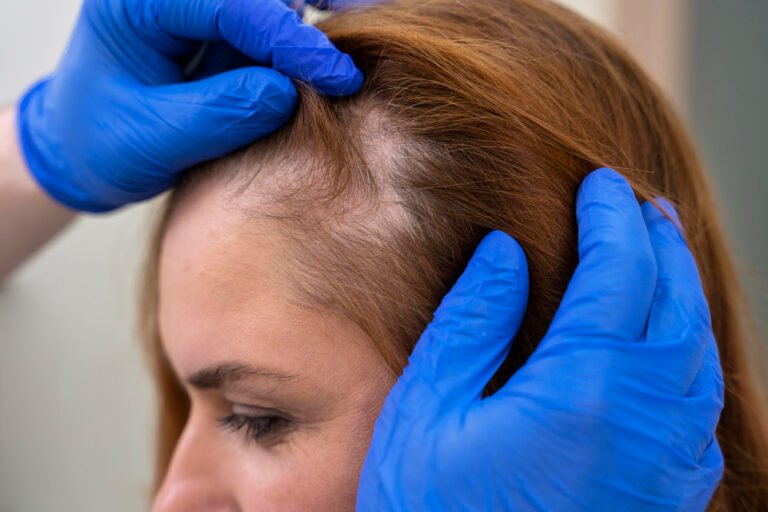
Autoimmune diseases like alopecia areata cause the immune system to attack hair follicles, leading to sudden, patchy hair loss. In some cases, hair loss is widespread or affects the entire scalp.
This condition presents with round, smooth bald patches without scarring. It can also affect eyebrows and other body hair. Medical evaluation typically includes a scalp exam and sometimes a biopsy.
Treatments focus on suppressing immune activity using corticosteroids, immunotherapy, or other medications. Hair regrowth is possible but varies between individuals.
Scalp Infections
Fungal infections such as tinea capitis cause inflammation and hair loss by damaging the scalp and hair follicles. These infections are more common in children but can affect adults too.
Symptoms include itching, redness, scaling, and broken hairs in patches. Diagnosis is confirmed through a scalp examination and fungal culture.
Treatment involves antifungal medications, either topical or oral depending on severity. If untreated, infections can result in permanent scarring and hair loss. Early intervention is critical to minimize damage.
Lifestyle and Environmental Factors
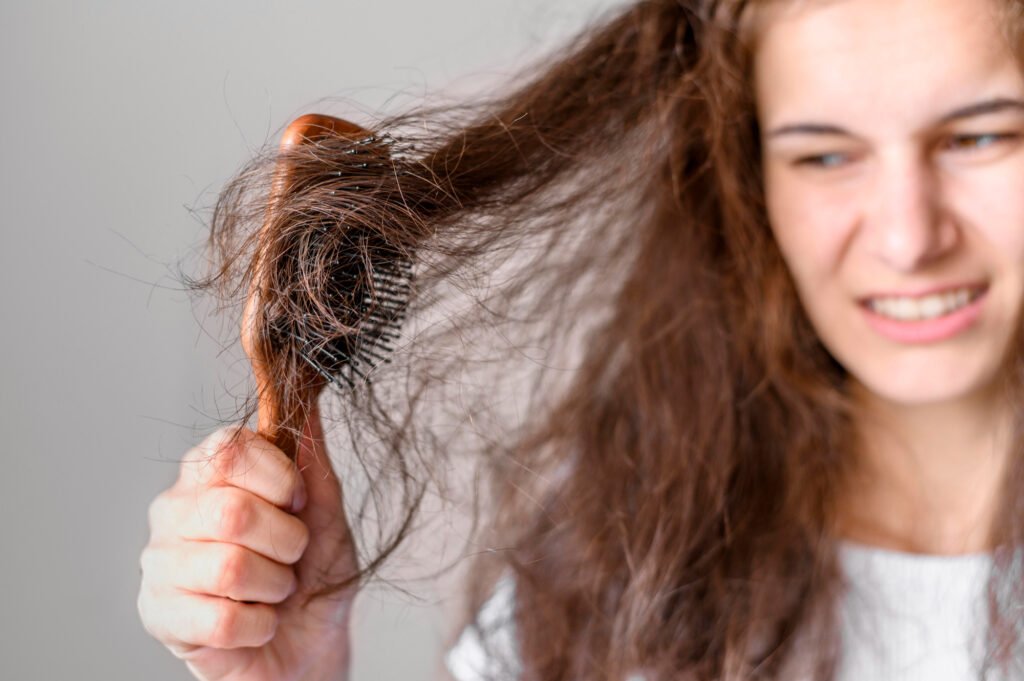
Various external and personal habits can affect hair shedding. Changes in daily routine, emotional states, and chemical exposure often influence how much hair falls out.
Stress and Emotional Impact
Stress triggers a shift in the hair growth cycle, moving hair prematurely into the shedding phase. This type of hair loss, called telogen effluvium, usually appears several weeks to months after significant emotional or physical stress.
Common causes include job pressures, major life changes, or illness. Chronic stress can prolong shedding and delay regrowth, making it essential to manage stress through relaxation techniques or professional support.
Not all stress leads to excessive shedding, but when paired with poor sleep or nutrition, it can worsen hair loss. Identifying and reducing stressors helps normalize hair growth cycles.
Hair Styling Practices
Frequent use of heat tools, tight hairstyles, and harsh chemical treatments can damage hair shafts and follicles. Styles like tight ponytails, braids, or extensions pull on hair and may cause traction alopecia, a localized hair loss.
Chemical processes such as bleaching, perming, and straightening weaken hair and lead to breakage or increased shedding. Overwashing and rough brushing also contribute to hair damage.
Adopting gentler styling methods and limiting heat or chemical exposure protects hair health. Using wide-tooth combs and heat protectants reduces mechanical stress on hair strands.
Medication Side Effects
Certain medications can disrupt hair growth by affecting hormone levels or blood supply to follicles. Common drugs linked to shedding include blood thinners, beta blockers, antidepressants, and chemotherapy treatments.
Shedding typically begins weeks to months after starting these medications and may continue during their use. Often, hair regrows once the medication is stopped or adjusted.
Patients noticing increased hair loss should consult their healthcare provider to assess medication impacts. Alternative treatments or dosage changes may reduce shedding without compromising health.
When to Seek Medical Advice
Increased hair shedding can sometimes indicate underlying health issues. Recognizing specific signs and changes in hair loss patterns is essential to determine when professional help is needed.
Persistent or Sudden Hair Loss
If a person experiences shedding exceeding 100 hairs per day consistently over several weeks, it may signal a condition requiring medical evaluation. Sudden or rapid hair loss, especially when clumps fall out after washing or combing, is a warning sign.
This kind of shedding can be linked to triggers such as severe stress, illness, or hormonal changes. When hair loss continues beyond three months or worsens, consulting a healthcare provider or dermatologist is important to identify causes and start treatment.
Accompanying Symptoms
Hair shedding combined with other symptoms raises concern. For example, patchy hair loss, scalp irritation, redness, or pain suggests infections or autoimmune conditions.
Additionally, symptoms like fatigue, unexplained weight changes, or cold intolerance alongside hair loss might indicate thyroid disease or nutritional deficiencies. In such cases, a thorough medical examination and appropriate tests should be conducted to address the root cause.
Tips for Managing and Reducing Hair Shedding
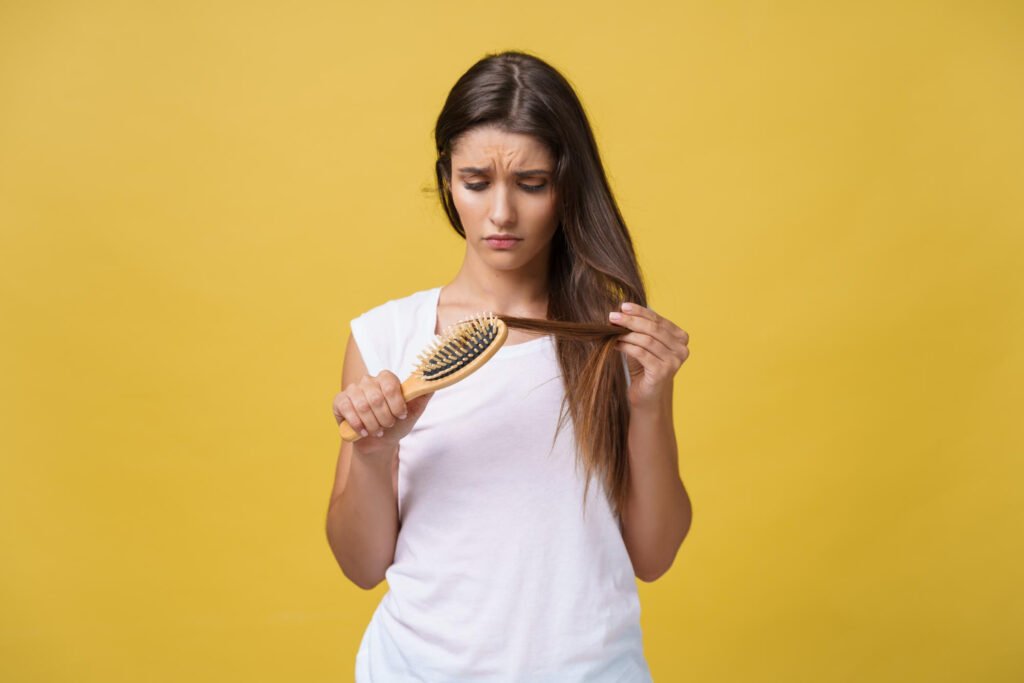
Addressing hair shedding requires a combination of proper hair care, nutrition, and styling techniques. He or she can improve hair health by adopting targeted habits that support scalp condition, strengthen strands, and prevent breakage.
Healthy Hair Care Habits
Consistent hair washing with a mild shampoo helps maintain a clean scalp and reduces build-up that can contribute to shedding. Using conditioner after shampooing keeps the hair moisturized and lowers friction that causes breakage.
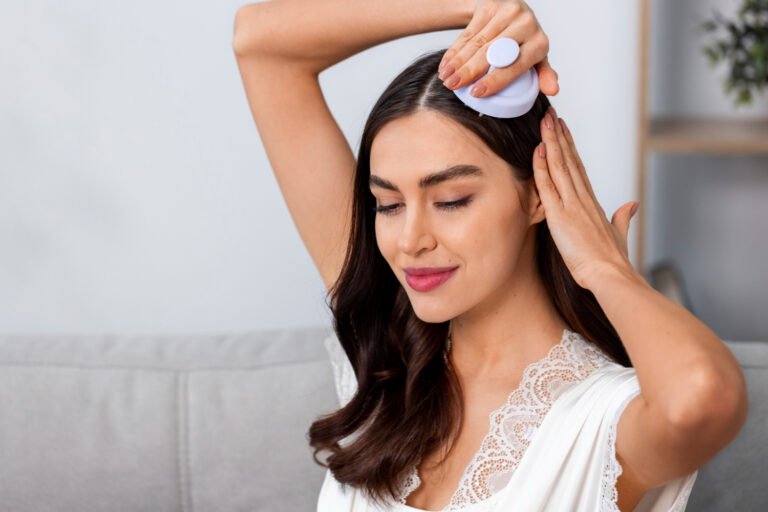
Avoid harsh treatments like frequent bleaching, permanent coloring, or excessive heat styling. These weaken hair shafts and worsen shedding over time. Regular scalp massage promotes blood circulation, supporting hair follicle health.
He or she should also minimize washing hair in very hot water, choosing lukewarm water instead. This prevents stripping natural oils vital for hair strength and elasticity. Air-drying or using a cool blow-dry setting helps maintain strand integrity.
Balanced Diet Recommendations
Nutrition plays a critical role in hair health. Deficiencies in vitamins like biotin, vitamin D, iron, and zinc can increase shedding. A diet rich in lean proteins, leafy greens, nuts, and seeds supports hair growth and resilience.
Incorporating omega-3 fatty acids from fish or flaxseed oil reduces inflammation that may affect hair follicles. Staying well-hydrated also aids in maintaining scalp moisture.
If dietary intake is insufficient, a healthcare provider might recommend supplements. However, overuse of supplements should be avoided, as excessive intake of some vitamins can have adverse effects.
Gentle Styling Techniques
Choosing hairstyles that don’t pull tightly on the hairline helps prevent traction alopecia and excess shedding. Styles like loose braids, buns, or ponytails reduce strain on follicles.
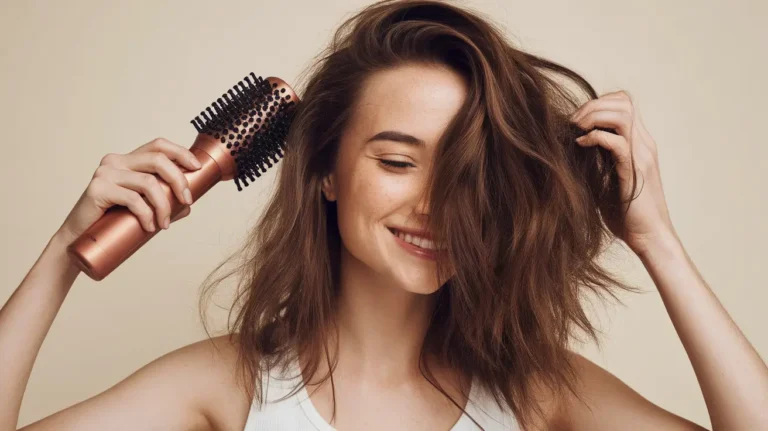
Using wide-tooth combs or brushes with soft bristles detangles hair gently, cutting down mechanical damage. He or she should avoid brushing wet hair harshly, as wet strands are more vulnerable.
Limiting use of heat tools and chemical straightening treatments preserves hair integrity. When heat styling is necessary, applying a heat protectant product reduces damage to hair cuticles.