How to Prevent Hair Breakage: 10 Tips for Healthier Strands

Hair breakage is frustrating. It can make your hair look frizzy, dull, and thinner than it actually is. While a few snapped strands are normal, excessive breakage can prevent you from reaching your hair length goals and often points to underlying damage.
The good news is that with a few simple changes to your routine, you can strengthen your hair, reduce breakage, and restore its health and shine.
This guide will walk you through the common causes of hair breakage, from heat styling to diet. More importantly, it will provide ten practical, expert-backed tips to help you prevent damage before it starts.
By understanding what your hair needs and how to care for it gently, you can build a routine that promotes strong, resilient strands for the long term.
What Causes Hair to Break?
Hair breakage happens when the outer layer of the hair shaft, called the cuticle, becomes weak and cracks. This can happen for many reasons, but some of the most common culprits include:
- Heat Damage: Frequent use of tools like flat irons, curling wands, and blow dryers can strip your hair of its natural moisture and damage its protein structure, making it brittle and weak.
- Chemical Treatments: Services like coloring, bleaching, perms, and relaxers can alter the chemical makeup of your hair, leaving it fragile and prone to snapping.
- Dryness: Hair that lacks moisture is less elastic and more likely to break under even minimal tension. This can be caused by over-washing, harsh products, or environmental factors.
- Rough Handling: Aggressively brushing your hair, especially when it’s wet, or wearing tight hairstyles like high ponytails and braids can put physical stress on the hair shaft.
- Nutritional Deficiencies: Your hair needs specific nutrients to grow strong. A diet lacking in iron, zinc, protein, and certain vitamins can lead to weaker hair follicles and increased breakage.
- Lack of Regular Trims: Split ends don’t just stay at the tips. If left untrimmed, they can travel up the hair shaft, causing further damage and breakage along the way.
How to Prevent Hair Breakage: A 10-Step Guide

1. Lower the Temperature
Heat is one of the biggest enemies of healthy hair. High temperatures break down your hair’s keratin proteins and strip away moisture.
- Wash with lukewarm water: Hot water can strip your hair of its natural oils, leading to dryness.
- Limit heat styling: Whenever possible, let your hair air dry. If you must use heat tools, apply a heat-protectant spray first and use the lowest effective temperature setting.
2. Moisturize Consistently
Dry hair is brittle hair. Keeping your strands hydrated is essential for maintaining their elasticity and strength. Incorporate moisture-rich products into your routine.
- Use a hydrating conditioner: After every wash, apply conditioner, focusing on the mid-lengths and ends.
- Add a weekly deep conditioner or hair mask: These treatments provide an intense dose of moisture and nutrients. Look for products with ingredients like argan oil to nourish and repair.
3. Handle Wet Hair with Care
Hair is at its most fragile when wet, so how you handle it after washing matters.
- Blot, don’t rub: Instead of vigorously rubbing your hair with a towel, gently squeeze or blot out excess water with a soft towel or an old cotton T-shirt.
- Use a wide-tooth comb: To detangle wet hair, start from the ends and work your way up to the roots using a wide-tooth comb. This prevents the pulling and snapping that can occur with brushes.
4. Rethink Your Washing Routine
Washing your hair too often can strip away the natural oils that protect it and keep it moisturized.
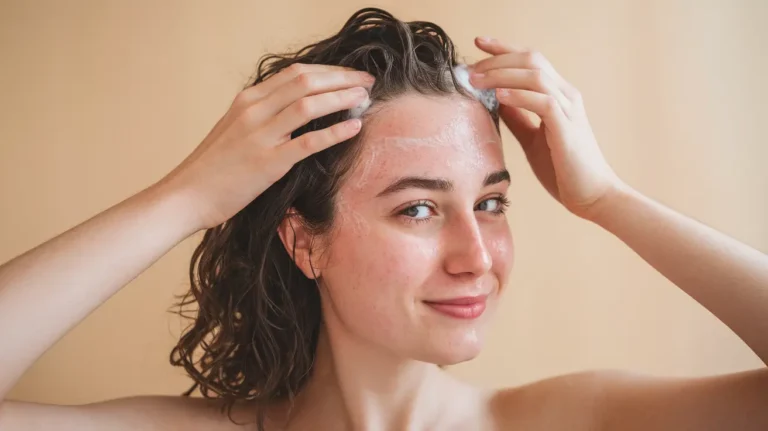
- Shampoo the scalp: Concentrate your shampoo on the scalp, where oil and dirt accumulate. The lather will clean the rest of your hair as you rinse.
- Adjust frequency: If your hair feels dry, try extending the time between washes. Extremely dry hair might only need to be shampooed once a week, while oilier types might need it more often.
5. Protect Your Hair While You Sleep

Tossing and turning at night can create friction that leads to tangles and breakage. A simple swap can make a big difference. Use a silk or satin pillowcase, as these materials create less friction than cotton. Alternatively, protect your hair by wearing it in a loose braid or pineapple hairstyle secured with a silk scrunchie.
6. Get Regular Trims
Trimming your hair is the only way to get rid of split ends and stop them from causing more damage. Split ends can travel up the hair shaft, leading to breakage far from the tips. Aim to get a trim every 6 to 8 weeks to keep your ends healthy and prevent further damage.
7. Nourish Your Hair from the Inside Out
A healthy diet is the foundation for strong hair. Hair follicles need a steady supply of nutrients to produce healthy, resilient strands. Focus on a balanced diet rich in:
- Protein: Foods like eggs, fish (especially salmon), and nuts.
- Iron and Zinc: Found in lean meats, lentils, and spinach.
- Vitamins and Antioxidants: Load up on fruits and vegetables.
- Water: Staying hydrated is crucial for overall health, including your hair.
8. Be Smart About Chemical Treatments
Coloring, bleaching, and other chemical processes are inherently damaging. To minimize their impact:
- Space out appointments: Try to wait 8 to 10 weeks between chemical services to give your hair time to recover.
- Use gentle products: If you color your hair, consider ammonia-free toners, which are less harsh. After bleaching, use products specifically designed to protect and repair, such as bond-protecting masks and treatments.
9. Loosen Up Your Hairstyles
Tight hairstyles like high ponytails, buns, and tight braids pull on your hair follicles and can cause breakage, a condition known as traction alopecia. Opt for looser styles and give your hair breaks from being pulled back. When you do tie it up, use soft hair ties like scrunchies instead of tight elastic bands.
10. Brush Correctly
Brushing your hair too much or with the wrong tool can cause significant mechanical damage. Use a brush with soft, natural bristles, and be gentle. Avoid brushing your hair when it’s wet unless you’re using a tool specifically designed for it. When detangling dry hair, start at the ends and gently work your way up to the roots to minimize pulling.
Your Path to Stronger Hair
Preventing hair breakage requires a gentle and consistent approach. By incorporating these habits—from moisturizing regularly to nourishing your body with a healthy diet—you can significantly reduce damage and cultivate the strong, healthy hair you’ve been wanting.
Start with one or two changes that feel manageable, and build from there. Your hair will thank you for it.