
How to Make Rosemary Oil for Hair at Home Step by Step Guide

Rosemary oil is a popular natural essential oil known as one of the best home remedies for hair growth and scalp health. Studies have shown that rosemary extract helps to promote hair growth and thickness, and it is a favored natural alternative to the chemicals used in most commercial hair treatments. The best part? You can make your own rosemary oil at home with just a few simple ingredients.
Making your own rosemary oil is also less expensive than purchasing premade, and you can have control over the quality of ingredients. Where as pure concentrated rosemary essential oil can be quite harsh on your scalp, homemade infused oil is milder and safe to use without further dilution. This solar infused oil is a ready to use premixed massage oil.
Whether you are fighting hair loss, suffering from dry scalp, or just trying to provide your hair with some nourishing natural treatment, this guide has all the information you will need about how to make homemade rosemary oil that actually works!
What You’ll Need
Rosemary Oil is simple to make – you don’t need much in the way of equipment and most of what you need, you have probably got at home already!
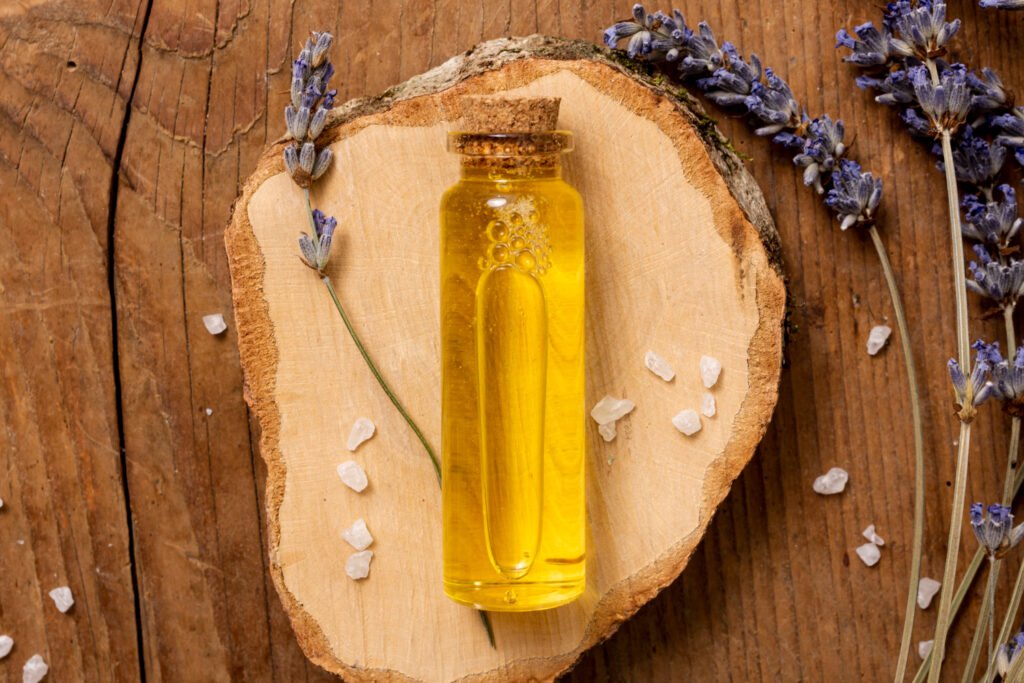
Ingredients:
- ⅛ cup dried rosemary leaves (whole leaves, not ground or powdered)
- 6 ounces extra virgin olive oil
Equipment:
- 8-ounce glass jar with tight-fitting lid
- Metal colander or fine-mesh strainer
- Cheesecloth (optional, for finer straining)
- Clean spoon for stirring
- Airtight glass storage bottle
Important note: Always use dried rosemary leaves and not fresh ones. Fresh rosemary carries moisture which may cause the oil to spoil and smell bad. If you only have fresh rosemary, don’t worry — you’re still good to go! Just dry the rosemary in an oven and follow the technique outlined later in this article.
Step-by-Step Instructions
This no-heat process makes use of solar energy for a mild but strong rosemary oil infusion.
Step 1: Prepare the jar
Fill your glass jar 1/3 full of dried rosemary leaves. The leaves should be thoroughly dried beforehand to avoid bacteria growth.
Step 2: Add the oil
Fill up the jar with olive oil, making sure there’s at least 1/2 an inch of space from the top. The oil should cover the rosemary leaves completely.
Step 3: Mix thoroughly
Then, using a clean spoon, marry the rosemary leaves with the olive oil. This guarantees uniform spreading and promotes the disengagement of the herb’s nurturing compounds.
Step 4: Begin the infusion process
Close the lid well and put on a sunlit windowsill. The jar needs to be bathed in sunlight for 2-3 hours every day.
Step 5: Wait patiently
Keep the oil to infuse for at least four weeks. Over time, the sun will warm the oil and infuse it with all of the good components of rosemary. You will see the oil slowly changing to a green hue and having more of that rosemary fragrance.
Step 6: Strain and store
After a month, strain the oil through a fine-mesh strainer or some cheesecloth to get all the plant material out. Pour the final oil into a clean glass, airtight bottle and date.
Hacks for Maximum Efficiency

Application methods:
For hair growth, heat a few drops of rosemary oil in your hands and rub into your scalp. Concentrate on places where you want to promote growth. For best results, you can keep the oil in overnight and wash thoroughly in the morning.
Frequency of use:
To add it to your routine, try applying rosemary oil to your hair twice per week. If your scalp can handle it you might want to work up to daily. Listen to your scalp and respond accordingly.
Treatment duration:
If you’re using rosemary oil to promote hair growth, don’t rinse it out of your hair. Put on the oil for 10 minutes before washing it away, to hydrate and make the hair healthier.
Storage tips:
Keep your completed rosemary oil in a cool, dark environment so it will stay strong. Oil that is properly stored can stay fresh for up to six months, however, if you detect a rancid smell discard immediately.
Enhancing effectiveness:
And it is believed to be effective in fighting dandruff when rosemary oil is combined with neem oil. Once you’re comfortable with the basic recipe, you can try tossing in small amounts of other oils that are known to be beneficial.
Potential Risks and Precautions
Although rosemary oil is generally safe for most, it’s important to heat of possible side effects and contraindications.
Skin sensitivity:
Rosemary oil can potentially irritate skin of some people. It’s always best to do a skin patch test evaluating the oil before applying to large areas of your body. Dab a bit of it onto your inner wrist or behind the ear and wait 24 hours to see if you get an adverse reaction.
Pregnancy and breastfeeding:
Rosemary oil should be avoided by pregnant and nursing women, as it may have a hormonal impact. Talk to your doctor before using any herbal treatment while pregnant or breastfeeding.
Medical considerations:
If you have an underlying scalp problem, allergies, or are taking other medication, consult with your doctor before using rosemary oil.
Quality control:
Use only organic, fresh ingredients if you can. Poor quality oils or spoiled herbs may cause skin reactions and lower the power of your oil.
Signs to discontinue use:
Discontinue use of rosemary oil if you notice any redness, itching, burning, or other adverse reactions after applying it. Keep out of reach of children and if symptoms persist, consult a healthcare consultant.
Naturally Change up your Hair Care Routine
Creating your own rosemary oil for hair is an easy and budget-friendly method to take advantage of this useful herb. The simple sun-infusing process makes oil that’s soothing, but powerful for promoting hair growth, moisturizing a dry scalp and giving your locks some overall TLC.
Keep in mind that it takes time for a natural remedy to work. Just be patient with your application and, within a few months of consistent use, you should start to see improvements in the thickness and vitality of your hair.
Ready to get started? Collect your ingredients and locate a sunny spot for the jar. Your hair will thank you for this nourishing homemade treatment that’s free of harsh chemicals and loaded with natural goodness.