How to Make Your Hair Hold a Curl Every Time With Expert Tips

Many people struggle with curls that fall flat shortly after styling, especially those with fine or straight hair. The key to making curls last is a combination of proper preparation, using the right products, and allowing curls to set fully before touching them. Prepping hair with curl-enhancing products, letting curls cool pinned in place, and finishing with a strong hold hairspray creates structure that keeps curls intact longer.
Understanding hair type also plays a role; smoother hair cuticles and certain hair shapes can make it harder for curls to hold. Adjusting techniques to accommodate these factors improves results and reduces frustration.
Curls don’t stay simply by using a curling iron alone—it requires a methodical approach that balances heat, product, and time for the curl to set. This guide will offer practical steps to help achieve curls that maintain their shape throughout the day.
Understanding Hair Texture and Curl Retention
Hair texture plays a significant role in how well curls stay intact. Knowing specific traits about your hair helps tailor styling methods and product choices for longer-lasting curls. The following details explain how to identify hair types, the effect of texture on curl hold, and the scientific factors that influence curl retention.
Identifying Your Hair Type
Hair type is generally classified by thickness, porosity, and natural wave or curl pattern. It can be fine, medium, or coarse. Fine hair has thinner strands and tends to be more delicate, while coarse hair has thicker strands and greater natural volume.
Porosity affects how hair absorbs and retains moisture. Low porosity hair resists moisture, making curls harder to maintain. High porosity hair absorbs products quickly but can lose curl definition faster due to excess moisture loss.
Understanding whether hair is straight, wavy, curly, or coily helps in selecting appropriate heat tools and styling products. For example, fine straight hair often requires lightweight volumizers and heat protection, while coarse curly hair benefits from heavier moisturizers and stronger hold sprays.
How Hair Texture Affects Curl Hold
Hair texture influences curl longevity because of its natural shape, thickness, and elasticity. Finer hair lacks bulk and has less grip, causing curls to fall sooner. Coarser, textured hair provides more surface area and natural friction, helping curls stay intact longer.
Elasticity, or hair’s ability to stretch and return to shape, also changes with texture. Hair with good elasticity holds curls better, resisting flattening from movement or humidity.
Volume and texture provide a foundation for curls to cling to. Straight or fine hair may need texturizing products to create a “grip” for curls. Coarse hair, with its natural body, requires less buildup and can maintain curls with lighter products.
The Science Behind Curl Retention
Curl retention is determined by hydrogen bonds inside the hair shaft that form when hair is wet and the bonds reset during drying and styling. These temporary bonds give hair shape but are broken easily by water or sweat.
Heat styling tools help reform these bonds, locking curls in place as hair cools. Allowing curls to cool while pinned improves bond setting, enhancing hold.
The outer layer, or cuticle, must remain smooth and intact to protect curls. Damaged or porous cuticles cause hair to be frizzy and reduce curl definition. Proper moisture balance and gentle product use preserve this barrier for longer-lasting curls.
Preparing Hair for Long-Lasting Curls
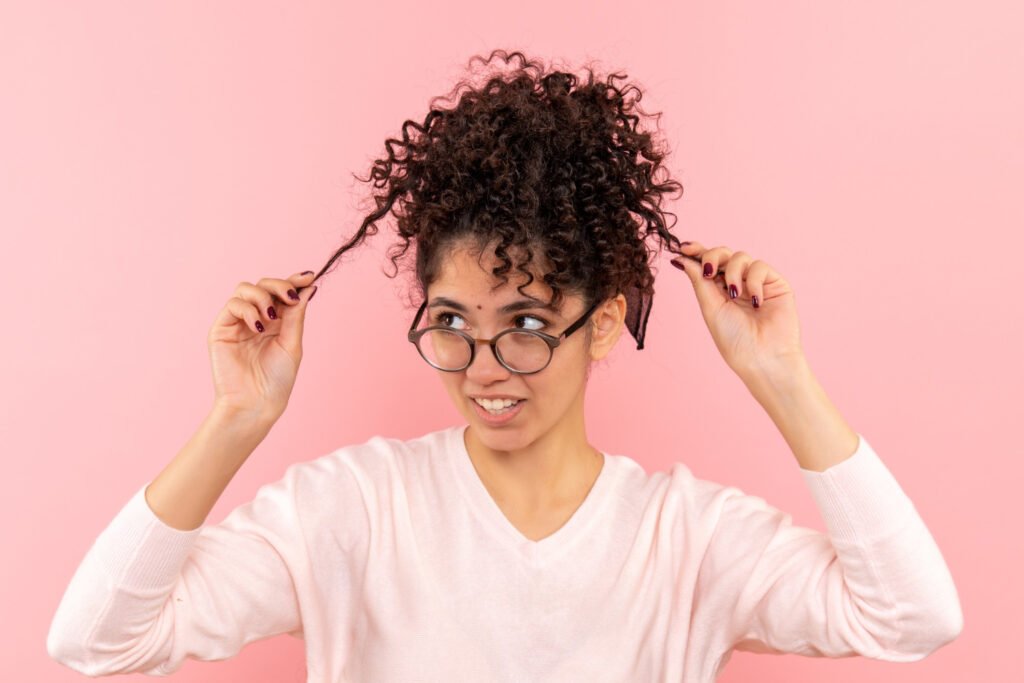
Proper preparation is essential for curls that last. The right washing routine, choice of conditioning products, and thorough drying all influence how well hair holds a curl.
Washing Hair to Maximize Curl Hold
Washing hair the day before styling improves curl retention. Using a lightweight shampoo removes oils without leaving heavy residue that can weigh curls down. Avoid shampoos with too many silicones or heavy moisturizing agents, especially for fine hair.
It’s best to skip washing immediately before curling, as freshly washed hair can be too soft to hold shape. If needed, use a gentle clarify shampoo to clear buildup without stripping natural oils completely. This balance helps curls form more effectively and last longer.
Choosing the Right Conditioning Products
Conditioner should be used sparingly or only on the ends for hair that tends to be overly soft. Heavy conditioners or rich creams can make hair too limp, reducing curl hold. For fine or straight hair, a light leave-in conditioner or curl-enhancing cream is preferable.
Products formulated to provide texture and light hold will aid in setting curls without weighing them down. Avoid applying conditioner at the roots, as that increases oiliness and can cause curls to fall faster.
Ensuring Hair Is Properly Dried
Hair must be completely dry before applying curlers or heat styling tools. Any moisture left in the hair will cause curls to relax and lose shape quickly. Using a hairdryer on a low to medium heat with a diffuser attachment can help preserve texture while speeding drying.
Allowing curls to cool in their styled position, such as pinning them up after curling, locks the shape in place. Touching or brushing hair before it is fully dry can cause curls to loosen or frizz.
Selecting the Best Tools for Curling
Choosing tools with the right features greatly impacts how well curls hold. Factors like barrel size, heat settings, and method of styling affect the final result and hair health. Alternatives to heat can provide longer-lasting curls with less damage when used properly.
Picking the Right Curling Iron
Selecting a curling iron with the correct barrel size is essential for lasting curls. Smaller barrels (around ¾ inch) create tighter curls that hold longer, especially for hair that resists curling. Larger barrels produce looser waves but may not hold as well on fine or straight hair.
Adjustable temperature controls allow for customizing heat based on hair type. Lower heat works for fine or damaged hair, while thicker hair may require higher settings. A ceramic or tourmaline barrel helps distribute heat evenly and reduces damage.
The way the iron is held also influences curl type. Holding it horizontally results in tighter curls; a diagonal angle produces softer waves. Spring-loaded irons can make handling easier and ensure consistent curling results.
Alternatives to Heat Styling
Using no-heat methods can help curls last longer and preserve hair health. Foam or flexi rods, when left in hair overnight, create defined curls without heat damage. Spritzing with a light setting spray before rolling enhances hold.
Some styling creams or mousses combined with gentle scrunching can create natural waves that last through the day. These products improve curl retention without the risk of heat. Proper drying techniques, like diffusing, also help maintain curl shape.
Heat-free methods typically require more time to set but reduce breakage and dryness. For many, they provide a safer option to maintain curl integrity over multiple days.
Using Hair Rollers Effectively
Velcro and foam rollers are widely recommended for long-lasting curls, especially in hair that is hard to curl. They lift the hair at the root and maintain tension, which helps curls hold their shape.
Proper sectioning is key. Thick or heavy hair benefits from using clip-style sectioning tools to hold strands firmly around rollers. Hair should be slightly damp or set with light mousse for better hold.
Rollers must stay in place until hair fully dries or cools. Removing them too soon can cause curls to fall flat. Setting spray after removing rollers locks in shape and extends curl life.
Applying Products That Help Hair Hold a Curl

Applying the right products creates a foundation that supports curl shape and longevity. Products that protect hair from heat, add texture, and provide hold contribute to curls staying defined throughout the day.
Using Heat Protectants
Heat protectants shield hair from damage caused by curling irons and other hot tools. Without this step, hair strands can weaken and curls may lose their bounce faster.
A good heat protectant forms a light barrier that absorbs and disperses heat evenly. It also reduces frizz, which helps curls maintain a smoother appearance. Applying it to dry or slightly damp hair before curling is best.
Look for heat protectants that are lightweight and non-greasy to avoid weighing curls down. Sprays or serums with ingredients like silicones offer effective heat defense while keeping hair flexible.
Choosing Curl-Enhancing Sprays
Curl-enhancing sprays add texture and hold without stiffness. They are especially useful for fine or straight hair that tends to lose curl shape quickly.
A quality curl spray boosts volume by slightly roughening the hair cuticle, giving curls something to grip onto. It often contains light polymers or botanical extracts that support curl formation.
To use, spray evenly over dry or damp hair before styling, then scrunch or twist sections to encourage curl patterns. Avoid heavy sprays that can cause buildup and limp curls.
Styling Mousse for Strong Hold
Styling mousse is ideal for adding volume, hold, and definition to curls. Unlike gels, mousse leaves curls soft and touchable, making it a preferred choice for many.
When selecting a mousse, choose formulas labeled for curl support or strong hold. Ingredients like polymers help set curls while maintaining flexibility.
Apply mousse evenly through damp hair from roots to ends. Distribute with fingers or a wide-tooth comb, then proceed to curl or diffuse. Allowing curls to cool in place improves durability.
Curling Techniques for Optimal Results
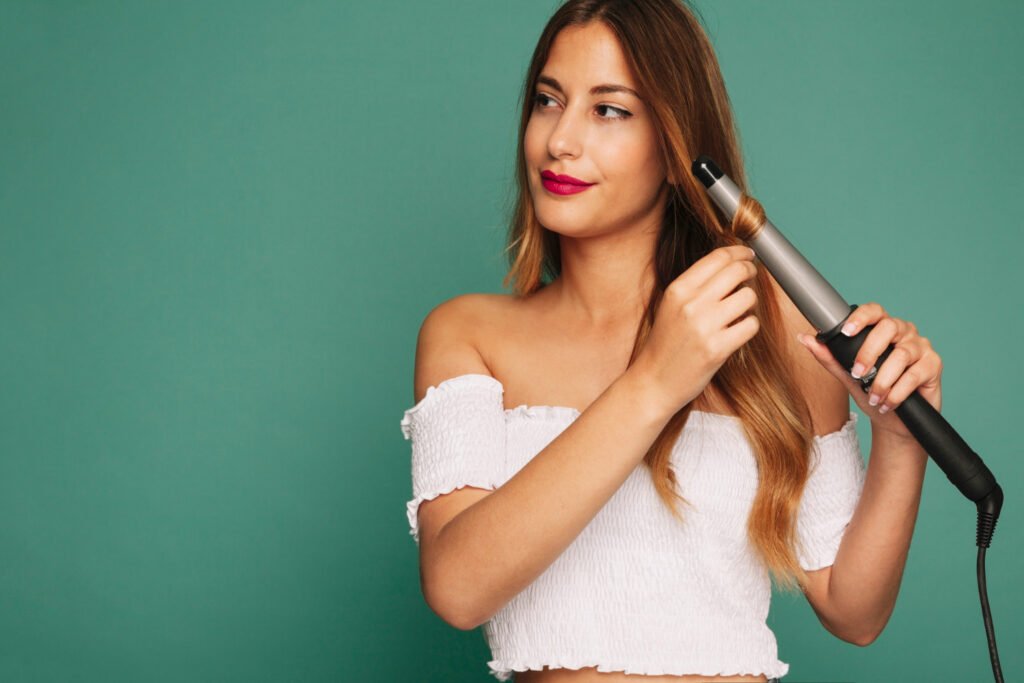
Effective curling starts with preparation, temperature control, and proper setting methods. Each step directly affects how long curls last and how well they hold their shape throughout the day.
Sectioning Hair for Even Curls
Dividing hair into small, manageable sections is essential. Smaller sections allow consistent heat distribution and ensure each curl forms properly.
Start by parting the hair horizontally from ear to ear. Clip the top layer away and work on the bottom layer first. Take 1-inch sections for fine hair and 1.5-inch sections for thicker hair to balance curl size and hold.
Using clips or hair ties to separate layers prevents tangling and uneven heat exposure. Uniform sections help curls maintain a cohesive pattern and last longer.
Setting Curls with the Right Temperature
Choosing the correct heat setting protects hair and enhances curl hold. Fine or damaged hair requires lower temperatures between 270-300°F (132-149°C). Medium to thick hair can tolerate 300-375°F (149-190°C).
Heating tools should reach the desired temperature before use for consistent results. Too low temperature won’t set curls effectively. Too high risks damage and frizz.
Using a heat protectant spray is necessary regardless of temperature. It shields hair and improves curling efficiency. Proper heat management increases longevity without compromising hair health.
Pinning Curls to Set Shape
After curling, pinning curls while they cool locks the shape in place. This step is critical to extend curl life and prevent early drooping.
Use bobby pins or clips to secure each curl against the scalp. Allow curls to cool completely before releasing—this can take 10-20 minutes depending on hair thickness.
Pinning also helps curls “set” in tighter spirals rather than loosening. This technique offers enhanced definition and control, particularly for fine or straight hair prone to falling flat quickly.
Maintaining Curls After Styling
Proper care right after curling significantly influences how long curls last. Key practices include allowing curls to set without disturbance, sealing them with the right products, and protecting them while sleeping.
Letting Curls Cool Before Touching
Curls need time to cool fully in their curled shape to set properly. After curling a section, pinning it up or holding it in place until it cools prevents the curl from loosening too soon.
Cold curls maintain structure better because the hair cuticle seals as it cools. Touching or combing curls before they cool can cause them to fall flat or lose definition. Patience during this step is essential for longer-lasting curls.
Applying Finishing Products
Using finishing products locks in curl shape and adds hold without weighing hair down. A firm-hold hairspray applied after curls have cooled provides lasting support.
Light mousse or curl creams applied before styling can enhance hold, but hairspray after styling is critical for endurance. Avoid heavy oils or buildup, as they can make curls droop faster.
Product choice depends on hair type; fine hair benefits from lighter sprays, while thicker hair may require stronger-hold formulas.
Protecting Curls Overnight
Preserving curls overnight prevents morning flattening and frizz. Wrapping hair in a silk or satin scarf minimizes friction and moisture loss.
Alternatively, loosely gathering curls into a “pineapple” ponytail on top of the head reduces pressure on curls. Using a silk pillowcase also supports curl shape by reducing hair breakage and frizz.
Consistent overnight care extends the life of curls and reduces the need for restyling each day.